- All
- Product Name
- Product Keyword
- Product Model
- Product Summary
- Product Description
- Multi Field Search
Views: 771 Author: Site Editor Publish Time: 2026-06-01 Origin: Site
In the world of digital products – from smartphones and wireless earbuds to smartwatches and gaming accessories – the packaging is no longer just a protective shell. It has become a key brand touchpoint that can influence purchase decisions, drive social media sharing, and build customer loyalty. The concept of ritualistic design transforms unboxing from a mundane task into a memorable ceremony. But how do you create a packaging experience that feels intentional, premium, and functional – from the first cut of the tape to the final storage solution? In this guide, we’ll walk you through the full-process optimization of digital product packaging with a sense of ritual, covering unboxing, interaction, and long-term storage.
Digital gadgets are often high-involvement purchases. Customers have done research, compared specs, and saved up. When the package arrives, they are emotionally invested. A ritualistic unboxing experience validates their choice and amplifies joy. Moreover, carefully designed packaging encourages user-generated content (unboxing videos, Instagram Reels, TikTok unboxings), which serves as free marketing and improves your SEO through backlinks and social signals.
Key benefits:
Increases perceived product value
Reduces return rates (customers are less likely to return an item with a delightful unboxing)
Encourages repeat purchases and word-of-mouth
Differentiates your brand in a crowded market

The ritual begins the moment the shipping box arrives. Don’t neglect this first layer.
Minimalist branded shipper: Use a sturdy corrugated box with a subtle logo and a tear strip for easy opening. A colored tape (e.g., deep blue or neon orange) adds a distinctive touch.
Fragile but confident: Instead of “Fragile” stickers, print “Handle with care – Your device awaits” to create anticipation.
Reveal timing: A perforated pull-tab or a ribbon pull replaces the need for box cutters, making the first interaction smooth and scratch-free.
Pro tip: Consider using a “peel-and-reveal” seal that leaves a pattern (like a hexagon or wave) when removed – a small detail that signals thoughtfulness.
Ritualistic design uses controlled resistance to build anticipation. The box should not fall open too easily, nor require excessive force.
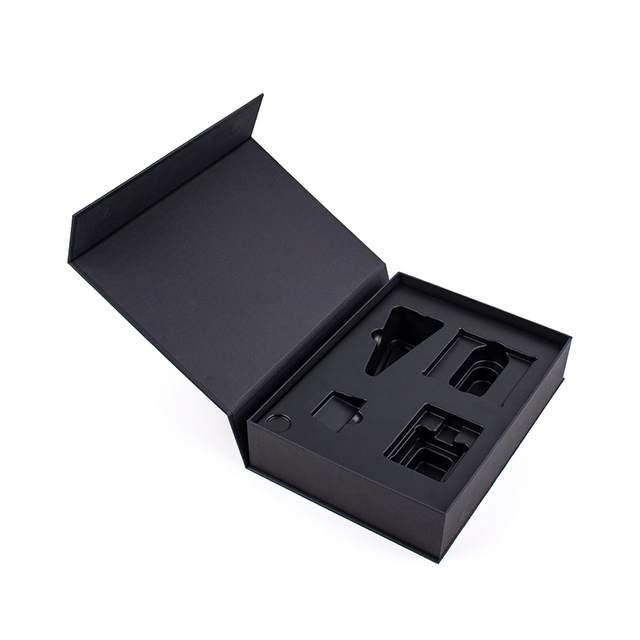
Magnetic closure: A satisfying “click” when opened.
Layered reveal: When the lid lifts, the first thing seen might be a thank-you card or a quick-start guide, not the product itself. This delays gratification and heightens curiosity.
Inner lid messages: Print a welcome quote or a brand mantra inside the lid – “Engineered for your everyday” or “Welcome to the future.”
Example: Many premium smartphone boxes now have a lid that slowly descends (damped hinge effect) when opened, mimicking luxury watch boxes.
How the product is presented inside creates the core ritual moment.
Custom molded tray: Use recycled fiber pulp or soft-touch plastic with precise cutouts that cradle each accessory. No loose items.
Lift tab or ribbon: Place a satin ribbon under the device so it gently lifts out – no fingernail scraping required.
Matte vs. gloss contrast: The product can rest on a matte black bed with a glossy border, drawing the eye directly to the device.
Alignment marks: Micro-engraved lines or tiny dots that show the product has been perfectly aligned – a subconscious signal of precision.
Ritual extends to cables, adapters, manuals, and stickers. Do not throw them in a chaotic mess.
Tiered organization: Under the main product tray, slide-out compartments or a second layer with labeled slots.
Wrap details: Cables can be coiled with a small paper band or a reusable silicone tie. Each accessory should have its own “reveal” – not overwhelming, but orderly.
Scented paper wraps: A very light, neutral scent (clean cotton or light sandalwood) on inner wraps adds sensory depth.
Pro tip: Include a small “ritual card” that guides the user through the first setup steps – turning the setup into a curated process rather than a chore.
Surface textures communicate quality and intention.
Soft-touch coating on the inner tray feels warm and premium.
Microfiber lining that also serves as a cleaning cloth – functional luxury.
Debossed logos rather than printed ones for lasting elegance.
Edge beveling on cardboard trays to avoid sharp corners.
Choose FSC-certified paper and biodegradable inserts to appeal to eco-conscious buyers – a growing SEO-friendly selling point.
The biggest missed opportunity? A box that gets thrown away. Ritualistic design ensures the packaging becomes a daily-use storage solution.
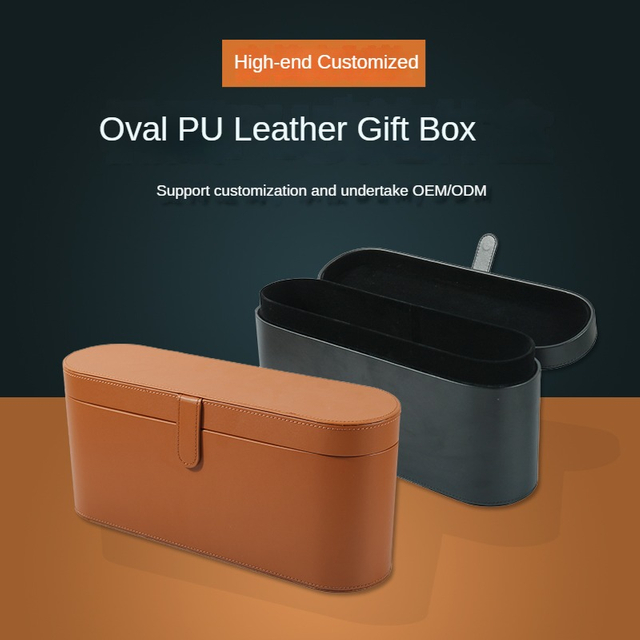
Reusable rigid box: Designed with thicker walls and a durable hinge so customers keep their earbuds, cables, or small accessories inside.
Modular inserts: The tray can be reconfigured – remove a divider to store a charging puck, or flip the lid to turn it into a display stand.
Drawer-style boxes: For larger devices (keyboards, mice, portable SSDs), a drawer box that slides open becomes a desk organizer.
Magnetic lid transformation: The lid can attach to the base vertically to create a phone or tablet stand.
Example: A mechanical keyboard box that converts into a wrist rest and keycap holder. A wireless earbuds box that doubles as a travel charging case.
Don’t rely on the customer to figure it out. Include a visual unboxing map that shows each step: open here, lift this, remove that. This reduces frustration and makes the ritual feel guided and premium.
Print the guide on thick, textured paper, and hide it under the lid or inside a secret slot.
Apple – The slow-lift lid, perfectly tensioned, with each accessory in a separate paper envelope. The box itself is often kept for storage.
Nothing (ear (1)) – Transparent top lid revealing the product before opening, layered compartments, and a satisfying magnetic closure.
Sony – Minimalist exterior, but inside: origami-style paper wraps that fold open like a gift.
Smaller brands (e.g., Keychron, LTT Screwdriver) – Custom foam cutouts, tool-like presentation, and boxes designed to double as display cases.
Stage | Element | Done |
|---|---|---|
Outer box | Tear strip / ribbon pull, branded tape | ☐ |
Opening | Magnetic closure, inner lid message | ☐ |
Product reveal | Ribbon lift, custom molded tray | ☐ |
Accessories | Tiered organization, cable wrap | ☐ |
Tactile feel | Soft-touch coating, microfiber lining | ☐ |
Storage reuse | Convertible stand, drawer box, modular tray | ☐ |
Instructions | Visual unboxing map | ☐ |
Ritualistic design for digital product packaging is not about excess – it’s about intentionality. Every fold, material, and movement should serve a purpose: to build anticipation, to communicate quality, and to extend the life of the packaging beyond the first five minutes. By optimizing the full journey from unboxing to storage, you turn a simple box into a lasting brand ambassador. Start by auditing your current packaging: Where is the friction? Where is the joy? Then redesign with ritual in mind.
Your customers will notice. And they’ll share it.
Need help designing ritualistic packaging for your digital product? Contact our packaging strategy team for a free consultation!