- All
- Product Name
- Product Keyword
- Product Model
- Product Summary
- Product Description
- Multi Field Search
Views: 554 Author: Site Editor Publish Time: 2026-04-14 Origin: Site
The fragrance packaging market is undergoing one of its most profound transformations in decades. Valued at USD 3.72 billion in 2025, the global perfume packaging market is projected to reach USD 3.96 billion in 2026 and expand to USD 6.89 billion by 2034, growing at a CAGR of 7.18%. But beyond the numbers, something far more significant is happening: packaging is no longer an afterthought. In 2026, fragrance packaging has become a primary vehicle for brand storytelling, sustainability commitments, and consumer engagement — often deciding purchase decisions before the first spray is even experienced.
This comprehensive guide explores the most influential fragrance packaging trends shaping the industry in 2026, from breakthrough sustainable materials to intelligent digital integration and luxury design innovations.
Three powerful forces are reshaping how fragrance brands approach packaging in 2026: consumer expectations, regulatory pressure, and the rise of e-commerce.
Consumer demand is leading the charge. A 2025 industry analysis found that 59% of luxury consumers now prefer refillable or modular packaging, and 54% are willing to pay between 8% and 12% more for products made with recycled or renewable materials. Among Gen Z consumers, the signal is even stronger: 83% use fragrances regularly, and sustainability ranks among their top purchase criteria.
Regulatory frameworks are accelerating change. The EU‘s Packaging and Packaging Waste Regulation (PPWR) is establishing clear expectations around recyclability, material efficiency, waste reduction, minimum recycled content requirements, and producer responsibility. Brands that cannot demonstrate verifiable sustainability credentials risk being locked out of key markets.
E-commerce has made packaging a digital asset. With more fragrance launches happening online, the “unboxing moment” has become content in its own right. Packaging must now ship safely, photograph beautifully on a thumbnail, and deliver a tactile, audible, and visual payoff when opened.
Against this backdrop, six major trends are defining fragrance packaging in 2026.

Sustainability in fragrance packaging has moved far beyond simple recycling claims. In 2026, brands are embracing innovative materials that deliver both environmental responsibility and uncompromising luxury aesthetics.
Perhaps the most technically ambitious sustainability innovation of 2026 comes from Chanel and Pochet, who partnered with French startup MagREEsource to develop and manufacture the first fully recycled magnet for perfume packaging. The magnets, made from 100% recycled materials recovered from dismantled industrial and energy equipment, reduce carbon footprint by 91% compared to virgin material production. This “world first” in the cosmetics and fragrance industry not only advances sustainability but also enables relocation of magnet production from Asia to France, offering greater supply chain control.
Advanced polymers are closing the gap between sustainability and performance. Ionomer resins like Surlyn™ provide glass-like clarity and chemical stability while being lighter and better suited for refillable systems. Bio-based materials using feedstocks such as used cooking oil or chemically recycled plastic waste are emerging, with certifications like ISCC PLUS helping verify sustainable sourcing through traceable supply chains.
Plant-based materials are gaining significant traction in 2026. Mycelium-based packaging — grown from fungal networks — offers a fully compostable alternative to polystyrene and traditional plastics. Algae and seaweed-derived materials, as well as high-performance cellulose-based options, are also entering the fragrance packaging space. According to Bain & Company’s Paper & Packaging Report 2026, 49% of luxury packaging professionals cite advanced paper (treated or reinforced for humidity resistance) as the most promising sustainable material, while 24% favor compostable or biodegradable options.
Berlin Packaging Beauty introduced XOCO at Paris Packaging Week 2026, a PP-based compound created by upcycling hazelnut shell waste. Designed for precision-moulded beauty components including fragrance caps, XOCO meets industrial requirements for torque resistance and chemical compatibility while leaving subtle organic particles visible on the surface — turning agricultural waste into a tactile and visual signature-8.
“Less is becoming the new luxury” — this phrase from Smurfit Westrock perfectly captures one of 2026‘s defining fragrance packaging trends. Minimalist design is no longer just an aesthetic choice; it’s a practical, future-facing approach that balances functional elegance with environmental responsibility.
Chanel’s reimagining of the Chance Eau Splendide bottle demonstrates how lightweighting can achieve dramatic environmental gains without compromising luxury. After three years of collaboration with industrial partners, Chanel replaced the bottle’s zinc-based zamac cap and galvanized brass side bands with aluminum — halving the weight of the cap and reducing the side bands‘ weight fourfold. The redesign lowered the total weight of the 100 ml bottle and cap by 20%, resulting in primary packaging that is more than 95% recyclable. The work earned an Innovation Award at Paris Packaging Week 2026.
Chanel also introduced a new streamlined bottle for N°5 Eau de Toilette in 2026, featuring a square-shaped flacon with rounded edges, a magnetic cap with the brand’s double C logo, and minimalist black screenprinting in place of a traditional label. Sylvie Legastelois, Chanel Creative Director of Packaging & Graphic Identity, described the redesign as a “balancing act” — modernizing the bottle while staying true to N°5’s historical identity.
Across the industry, minimalist packaging is eliminating superfluous elements like plastic overwraps and multi-layered boxes. Paper-based sustainable fragrance packaging offers a path to reduce materials and support recyclability while appealing to modern tastes.
Refillable packaging is arguably the most significant structural shift in fragrance packaging in 2026. Refills are no longer framed as a quirky eco-add-on; they are described as a structural shift toward “keep-forever” outer bottles with lighter, lower-impact refill formats that can be shipped cheaply and disposed of more easily-.
Premium refill systems — built around metal or glass outer shells with lightweight inner cartridges — are gaining significant traction in skincare and premium fragrance. The shift is driven not only by environmental concerns but also by luxury consumers who appreciate the tactile experience and long-term value of a reusable package.
Aptar Beauty’s Nomad Refill, a 10ml refillable bottle designed for on-the-go use, personalization, and sustainability, fills in five seconds directly from its refill source — making it unique in the travel-size fragrance segment.
Dove launched its first refillable 72-hour anti-perspirant range in 2026, featuring three premium starter kits with durable reusable cases and refills available in fine fragrance-inspired scents — demonstrating that refillable systems are expanding beyond traditional perfume categories.
Beyond environmental benefits, refillable systems solve multiple problems at once: reducing material costs, addressing tightening regulations on packaging waste, and alleviating consumer anxiety about “throwaway” luxury. For brands, refills also create recurring revenue streams and deepen customer relationships.
One of the most technically significant innovations of 2026 is the move toward metal-free and mono-material dispensing systems. These innovations address one of fragrance packaging‘s most persistent recycling challenges: the multi-material pumps and closures that are notoriously difficult to separate and recycle.
Berlin Packaging Beauty launched new metal-free and POM-free dispensing engines in both atmospheric and airless versions at Paris Packaging Week 2026. Designed without metallic components inside the dispensing chamber, the systems simplify recycling while maintaining mechanical reliability and dosing precision. The atmospheric pump delivers a controlled 250 mcl dose for low-to-medium viscosity formulas, while the airless version provides 230 mcl output for creams and gel-creams. Both systems are compatible with refillable formats, reinforcing a modular, refill-ready packaging architecture.
Mono-material packaging allows consumers to recycle products more easily and helps brands meet Extended Producer Responsibility (EPR) and PPWR obligations. Glass and aluminum are re-emerging strongly as durable, recyclable foundations for high-end beauty products.
Digital technology is transforming fragrance packaging from a static container into an interactive brand touchpoint. According to Bain & Company‘s Paper & Packaging Report 2026, digital is set to play an increasingly important role in packaging and in shaping the consumer experience.
TOPPAN Digital showcased NFC solutions at Paris Packaging Week 2026, targeting challenges faced by the luxury beverage, fragrance, and beauty industries. Their NFC tags feature tamper-detection capabilities that detect when packaging has been opened — once someone attempts to remove the liquid, the internal circuit breaks and registers an “opened” status, preventing malicious reuse of the tag. Consumers can verify authenticity with a simple smartphone tap.
The company’s ID authentication platform provides end-to-end traceability from production to sale, enabling supply chain visibility, detection of unauthorized distribution, and personalized digital engagement based on pre- and post-opening status.
Bain highlights Digital Product Passports as a key emerging technology, providing consumers with product information including provenance, materials used, and environmental impact. Integrating augmented reality experiences such as product demonstrations is another area of significant interest. As Bain’s report authors note: “The addition of digital experiences to ‘restrained’ sustainable packaging re-elevates the product container to a critical marketing touchpoint, and a truly modern one”.
Pochet demonstrated its creative potential through an AI module integrated into its DesignToPack offering at Paris Packaging Week 2026, enabling concepts to be instantly visualized during the development phase — dramatically accelerating the design-to-production timeline.
While sustainability dominates functional packaging trends, the luxury gifting segment is embracing highly differentiated presentation formats. The book-shaped perfume box has emerged as one of the most influential packaging innovations of 2026, driven by demand for visually opulent, collectible perfume presentation solutions.
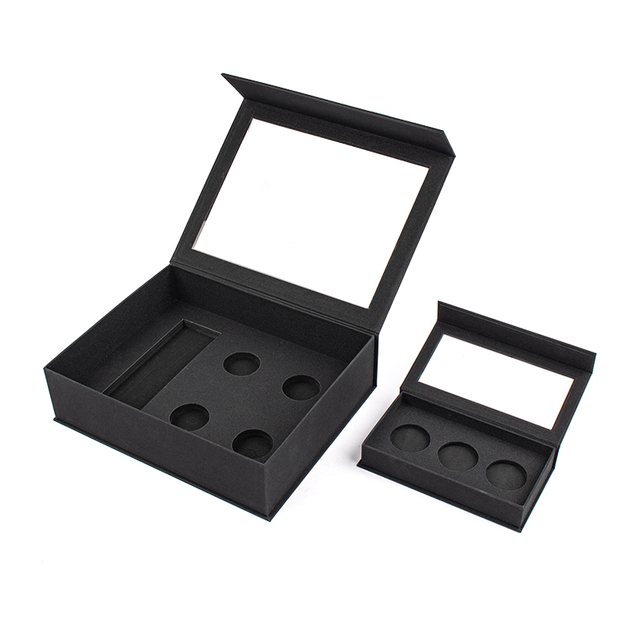
These boxes resemble classic hardback books, featuring wraparound spines, embossed covers, foil stamping, integrated magnetic closures, and precision die-cut inserts to cradle perfume bottles securely. The trend is fueled by aesthetic nostalgia, the post-pandemic focus on personalization in gifting, consumer hunger for memorable unboxing experiences, and the rise of boutique niche perfumes competing to express brand heritage through packaging.
Crucially, even within this opulent category, sustainability remains central. Brands are increasingly choosing recyclable rigid board, FSC-certified papers, and minimalist inserts to meet both regulatory and emotional purchase triggers.
The trajectory established in 2026 points toward several clear directions for the coming years.Regulatory momentum will intensify. The EU PPWR is just the beginning. Similar regulations are emerging globally, and brands that proactively adopt sustainable packaging will gain competitive advantage while those that lag will face market access restrictions.
Material innovation will accelerate. Mycelium, algae-derived polymers, advanced bio-based plastics, and new renewable coatings are moving from experimental to commercial scale. The question is no longer whether sustainable materials can match luxury standards — but which innovations will define the next generation of packaging.
The physical-digital integration will deepen. As NFC technology becomes more affordable and ubiquitous, every fragrance package has the potential to become a connected device, enabling authentication, traceability, personalized content, and post-purchase engagement.
Refillables will become the default. Within five years, refillable systems may no longer be considered a trend but rather the industry standard for premium fragrance — as fundamental as the glass bottle itself.
Fragrance packaging in 2026 is no longer just a container for scent. It is a strategic asset that communicates brand values, delivers sustainability commitments, enables circular economies, and creates meaningful consumer connections across physical and digital touchpoints.
For fragrance brands, packaging decisions in 2026 have never mattered more. The brands that embrace these trends — sustainable materials, lightweighting, refillable systems, intelligent digital integration, and differentiated luxury presentation — will not only meet evolving consumer expectations and regulatory requirements but will also build lasting competitive advantage in a market projected to reach nearly USD 7 billion by 2034.
The question is no longer whether to innovate in fragrance packaging, but how boldly and how quickly.