- All
- Product Name
- Product Keyword
- Product Model
- Product Summary
- Product Description
- Multi Field Search
Views: 580 Author: Site Editor Publish Time: 2025-11-24 Origin: Site
Among various gifts, music gift boxes hold a special place with their unique charm of combining visual and auditory elements. When the lid opens and beautiful melodies flow out, it not only enriches the gifting experience but also allows the recipient to feel a unique emotional connection. This article provides a detailed guide to the entire process of designing and customizing music gift boxes, helping you create a truly unique musical gift.
The application of musical elements in packaging visual design has become an important trend in modern gift box design. Transforming elements like musical notes and rhythms into visual symbols can reinforce the thematic nature of the gift box.
For example, using pattern repetition, gradients, and a sense of rhythm to express musical cadence, or employing different color schemes to convey the emotions of different music styles.
The choice of musical colors is also crucial. Research shows that different colors can evoke different emotional responses, which aligns with the feelings music evokes.

The core of a music gift box is its music module. Currently, the main types of music modules available in the market include:
- Traditional Wind-Up Style: Classic and reliable, plays music by winding a spring
- Electronic Chip Style: Customizable songs, large capacity, multiple functions
- Hand-Cranked Style: High interactivity, adds fun to the user experience
- Sensor-Activated Style: Plays automatically when opened, with a strong technological feel
If you want to customize specific songs, you can choose the electronic chip music module. Use music production software to decompose your selected song into audio files, insert the program in chronological order, and then burn it into the memory chip.
The structural design of a music gift box needs to consider both aesthetics and functionality. Common gift box structures include:
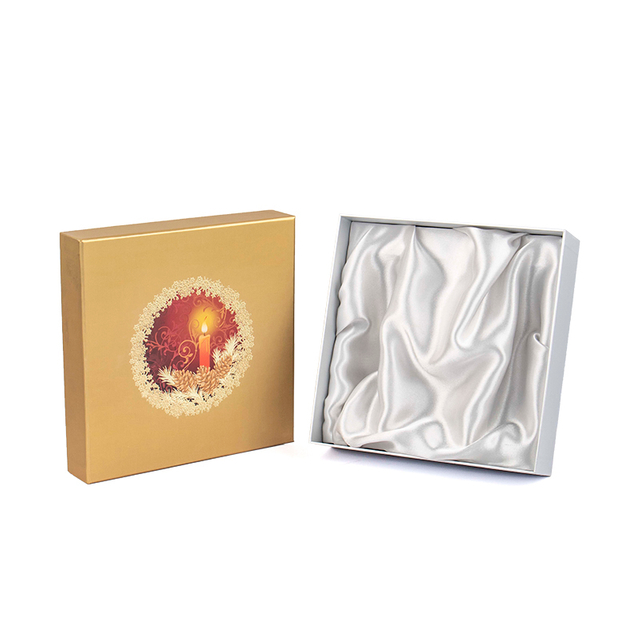
- Top-Bottom Cover Style: Classic and elegant, with a sense of ceremony when opening
- Drawer Style: Simple and practical, easy to access
- Folding Style: Flexible structure, suitable for special shapes

- Paper Materials: Gray board, cardstock, etc., suitable for printing exquisite patterns
- Wood Materials: Natural texture, suitable for carving, laser engraving, and other crafts
- Mixed Materials: Combining wood, metal, glass, and other diverse materials
Phase 1: Requirement Communication
The first step in customizing a music gift box is to have an in-depth requirement communication with the manufacturer or designer. You need to clarify:
- Purpose of the Gift Box: Is it for corporate promotions, holiday gifts, wedding favors, or other special occasions?
- Target Audience: Business professionals, young consumers, or children?
- Budget Range: This will directly affect the choice of materials, craftsmanship, and design
- Contents to Be Included: Clarify the type, size, and weight of the gifts to be placed in the box
- Delivery Timeline: Ensure the customization timeline meets your usage needs
Phase 2: Solution Design
Based on the requirement communication, the design team will proceed to develop the gift box design solution. This phase includes:
- Appearance Design: Determining the color scheme, pattern elements, and text layout of the gift box
- Structural Design: Designing a suitable internal structure to secure the music module and gifts
- Functional Design: Considering the sealability, load-bearing capacity, and portability of the gift box
- Music Integration: Determining the music triggering mechanism and speaker placement
Professional design teams typically provide 2-3 sets of design drafts in different styles for selection. After multiple rounds of communication and revisions, the final solution is determined.
Phase 3: Sample Confirmation
Once the design is finalized, the manufacturer will produce 1-2 samples for confirmation. Sample confirmation is a critical step in the customization process. You need to check:
- Material texture and quality
- Whether the dimensions are appropriate
- Whether the craftsmanship meets standards (e.g., clarity of hot stamping, uniformity of UV coating)
- Whether the music function works properly
- Whether the colors match the design draft
If issues are found, communicate with the manufacturer promptly for adjustments until the sample fully meets expectations before proceeding to mass production.
Phase 4: Production
After the sample is confirmed, the manufacturer will begin mass production. The production process includes:
1. Raw Material Procurement: Strictly control the quality of materials such as paperboard, fabrics, and hardware accessories
2. Printing Process: Using screen printing, laser engraving, and other techniques
3. Assembly and Shaping: Going through cutting, folding, assembly, and other processes
4. Music Module Installation: Installing the music circuit, battery, and buzzer under the box lining or under the lid lining
5. Decorative Treatment: Adding metal corner guards, decorative ribbons, and other ornamental elements
After production is completed, comprehensive quality inspection is required, including:
- Visual inspection (for scratches, color differences)
- Dimensional measurement
- Function testing (music playback, switch sensitivity)
- Load-bearing testing
- Smoothness of opening and closing testing
Qualified gift boxes will be packaged using anti-impact and moisture-proof materials and delivered via suitable logistics methods.
Innovative Design Ideas and Trends
Modern music gift boxes are no longer limited to a single music playback function but are evolving toward multi-functional integration. For example:
- Storage Function: Designing reasonable storage space inside the gift box to hold both the music module and gifts
- Transformable Design: Some music packaging boxes can be transformed into hats or other items through special structural designs, achieving multiple uses
- Interactive Experience: Adding DIY elements, allowing the recipient to participate in the final assembly, enhancing the gift's interactivity and memorability
Personalization Trends
Personalization is a significant trend in modern gift customization. In music gift box design, this can be achieved through:
- Song Customization: Recording exclusive songs or messages to create a unique music experience
- Exterior Engraving: Using laser engraving and other technologies to inscribe names, dates, or special symbols on the gift box
- Accessory Pairing: Selecting small decorative items related to the recipient's preferences to adorn the gift box
At the music box workshop in Otaru, Japan, customers can choose from over 400 songs and freely combine small objects made of wood, glass, and acrylic, painting them with colors to create the world's only original music box.

When designing a music gift box, ensure the music style coordinates with the visual design. For example:
- Classical music pairs with elegant, retro design elements
- Pop music suits modern, minimalist design styles
- Children's songs should be accompanied by bright, lively patterns
User Experience First
The design of music gift boxes should always prioritize user experience, paying attention to:
- Opening Mechanism: Whether it is smooth and natural, and whether there is appropriate resistance to enhance the sense of ceremony
- Music Triggering Mechanism: Whether it is sensitive and reliable; a power switch near the hinge is a good option
- Visual Guidance: Using design elements to guide users to discover and use the music function
With their multi-sensory experience, music gift boxes always maintain unique charm in the gift market. Through careful design and customization, a music gift box can not only instantly enhance the emotional value of a gift but also become a keepsake to be treasured forever.
From clarifying requirements to selecting music modules, from design conception to sample confirmation, every step in customizing a music gift box is a creative process.